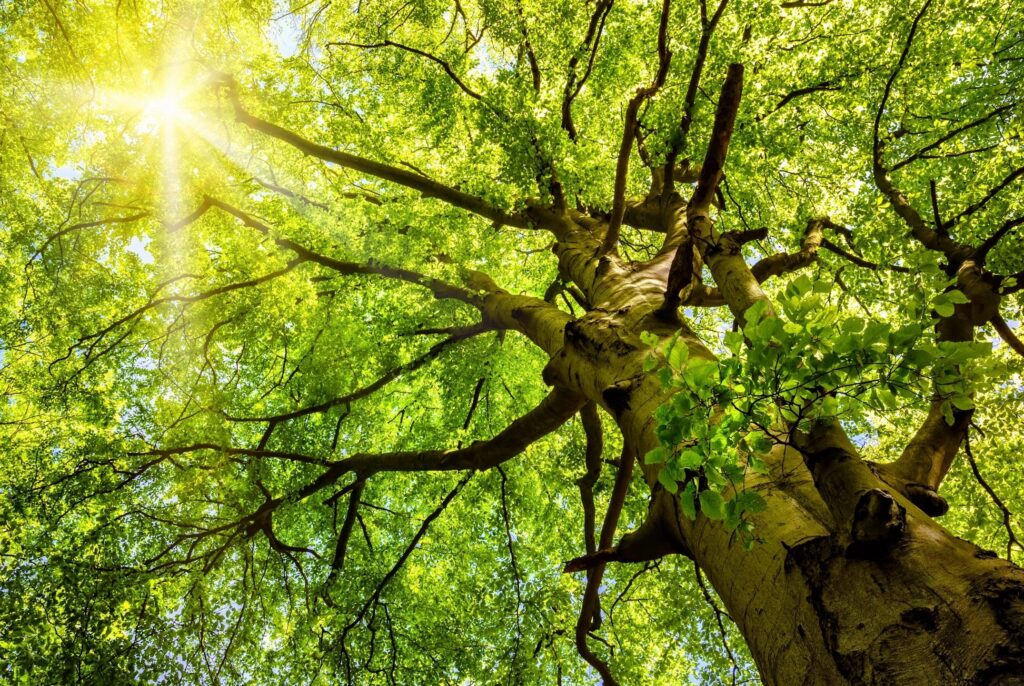
How to Paint a Tree: A Step-by-Step Guide
Painting a tree can be a rewarding experience, whether you’re an absolute beginner or an experienced artist looking to refine your skills. In this guide, we’ll walk through the entire process from gathering your materials to adding the final touches.
Materials You’ll Need
- Canvas or canvas board
- Graphite pencil (HB or 2B)
- Acrylic or oil paints
- Brush set (round and flat brushes)
- Palette
- Water cup (for acrylics) or solvent (for oils)
- Paper towels or rags
Step-by-Step Painting Process
- Sketch the basic outline: Lightly draw the trunk and main branches using your pencil.
- Block in the background: Apply a neutral wash to establish sky and ground.
- Paint the trunk and branches: Use a flat brush to add mid-tone browns, then layer darker lines for texture.
- Add foliage: With a round brush, use dabbing motions to create leaf clusters.
- Refine details: Add highlights and shadows to give depth to your tree.
- Final touches: Clean up edges and add small details like knots or hanging moss.
Color Mixing Reference
| Shade | Base Colors | Mix Ratio | Notes |
|---|---|---|---|
| Dark Brown | Burnt Umber, Black | 3:1 | For deep shadows on the trunk |
| Mid Brown | Burnt Sienna, Raw Umber | 2:2 | Base layer for bark texture |
| Leaf Green | Phthalo Green, Cadmium Yellow | 1:1 | Vibrant foliage highlights |
| Olive Green | Burnt Umber, Phthalo Green | 2:3 | Shadowed leaf clusters |
Additional Tips and Tricks
- Always work from background to foreground.
- Vary your brush sizes for different textures.
- Use glazing techniques (thin see-through layers) to add luminosity.
- Keep your brush strokes loose for a natural look.
- Step back frequently to check your progress and composition.
Conclusion
With practice and patience, you’ll be able to create realistic and dynamic tree paintings. Remember that every tree is unique — observe real trees in nature to capture their character in your art. Happy painting!